Blog: Calligraphy Supplies
A curated guide to the tools, materials and supplies I personally use and recommend for calligraphy.
Whether you're just beginning or refining your script, choosing the right tools can make all the difference. Below you'll find my trusted recommendations for nibs, inks, holders and paper.
Some links are affiliate links, which means I may earn a small commission at no additional cost to you.
Nibs
The nib you choose can dramatically affect pressure, flexibility, and control.
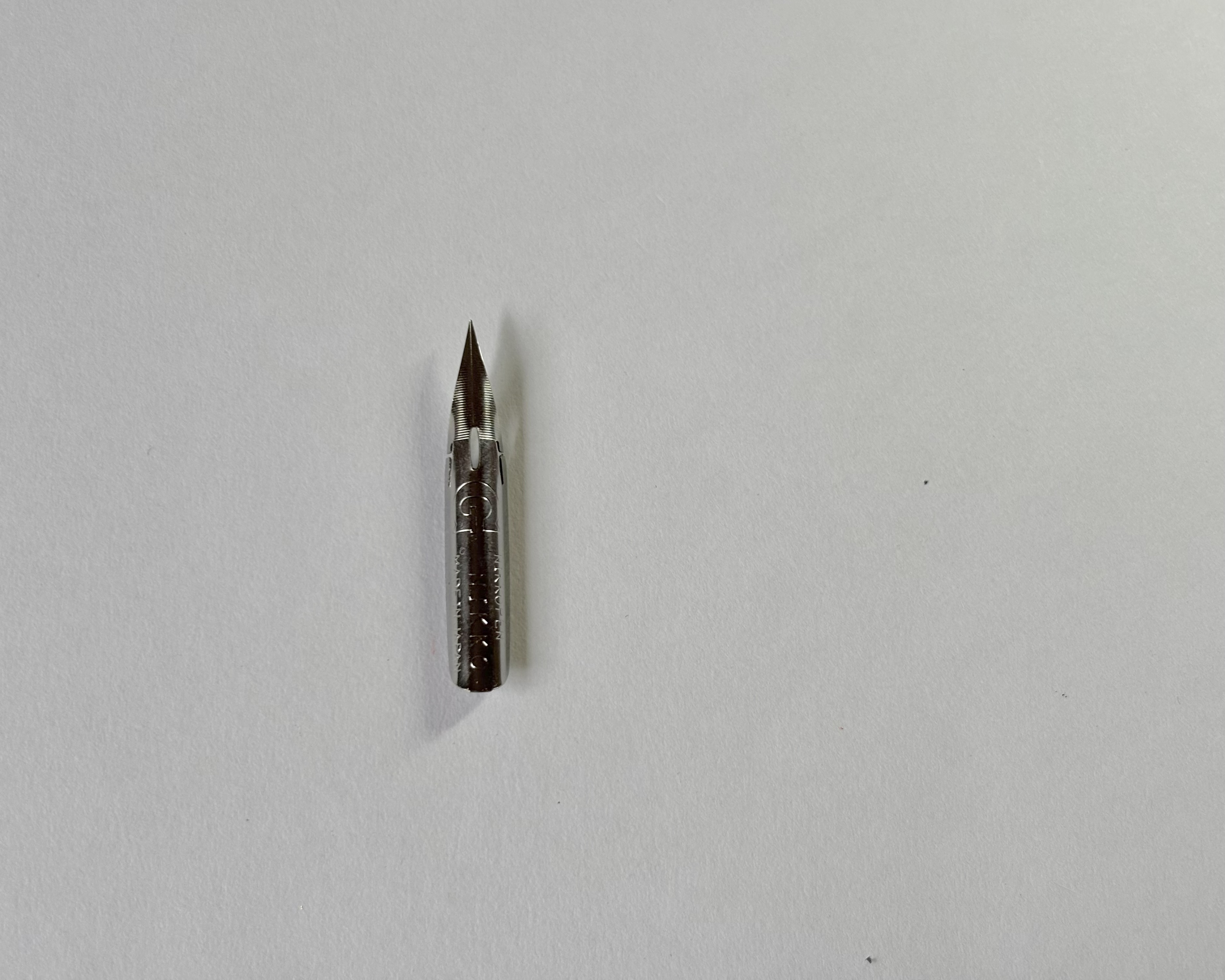
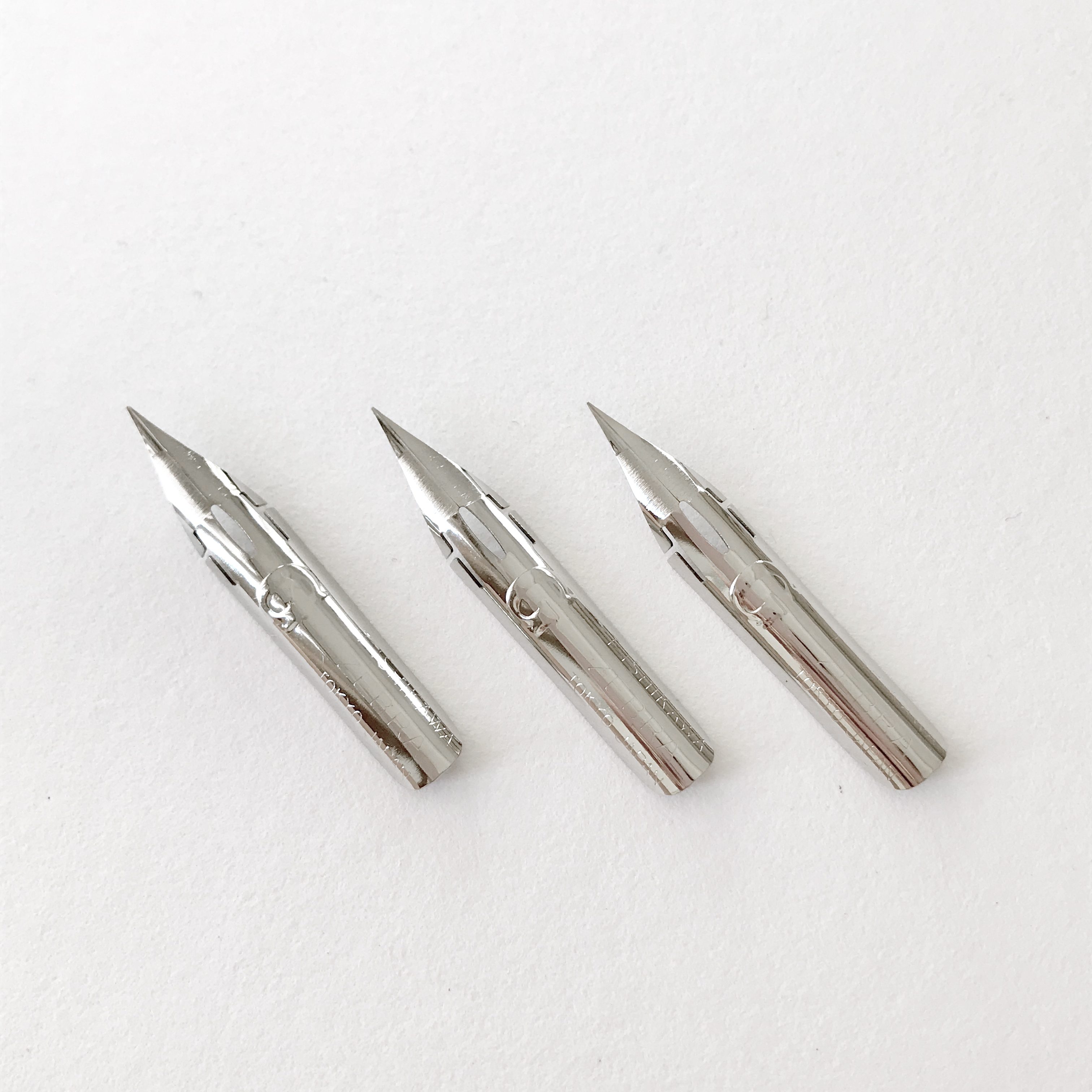
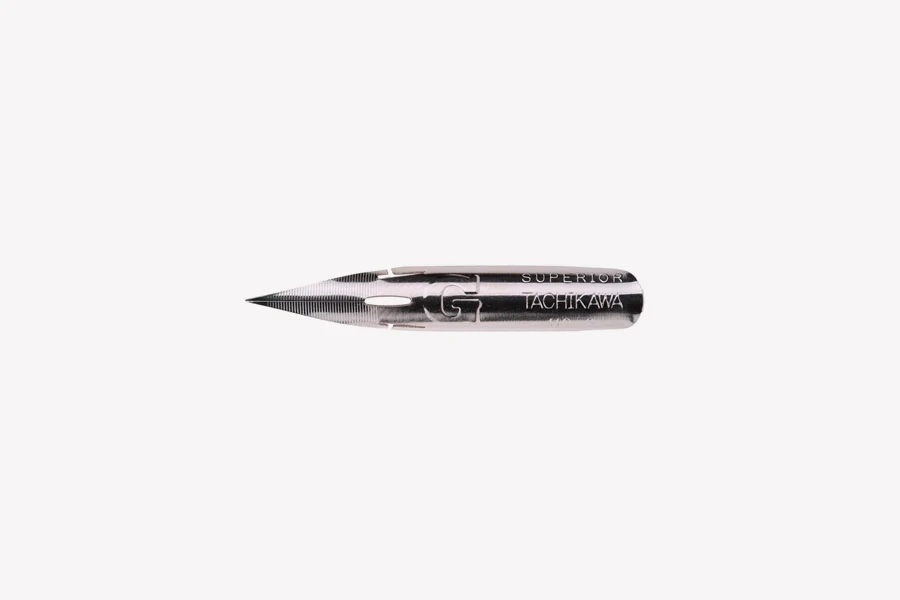
G nibs are one of my personal favourites. They're suitable for both beginners and advanced calligraphers, making them incredibly versatile.
- Durable and forgiving
- Excellent for learning pressure control
- Easy to source and highly accessible
Some other nibs I love using include:
- Hunt 101 & 22
- Leonardt EF Principal (More advanced)
- Gillot 303 (extremely fine & delicate)
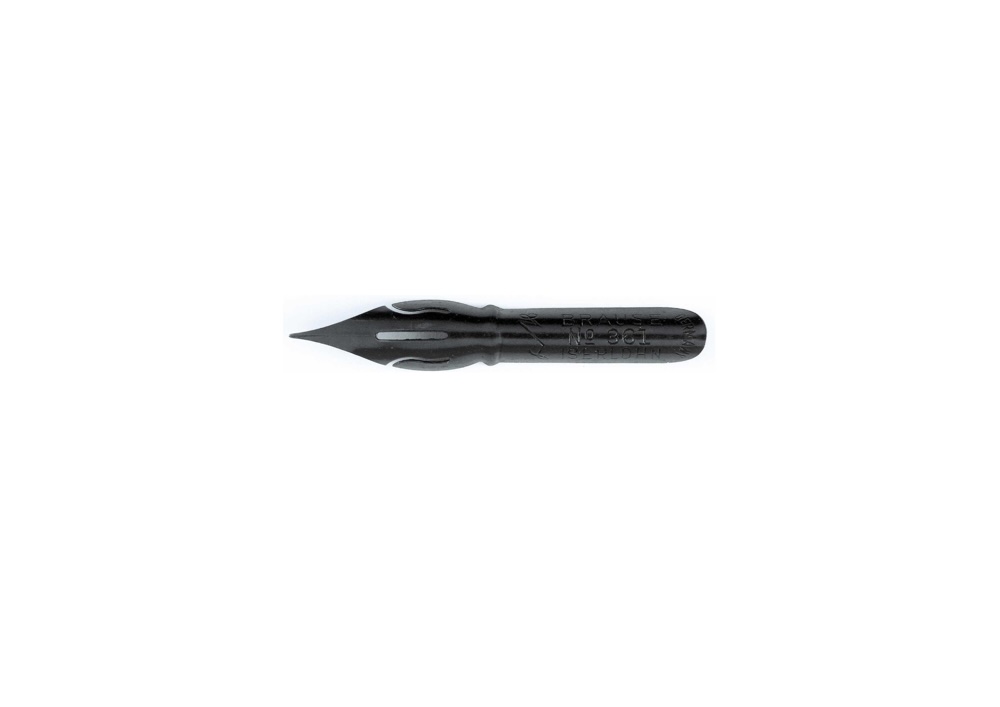
Vintage Nibs: Sometimes I like to try out vintage nibs that can only be found on places like eBay or markets. These are usually not manufactured anymore but they can be fun to try out. Two of my favourites are the Blanzy 552 and Henry 605, you might have seen them in some of my videos. They both have a medium flex, quite fine when brand new, but as they wear out the tips become more rounded and great for writing on textured or handmade paper.
Pen Holders
There are two main types of pen holders used in pointed pen calligraphy: Straight pen holders and Oblique pen holders.
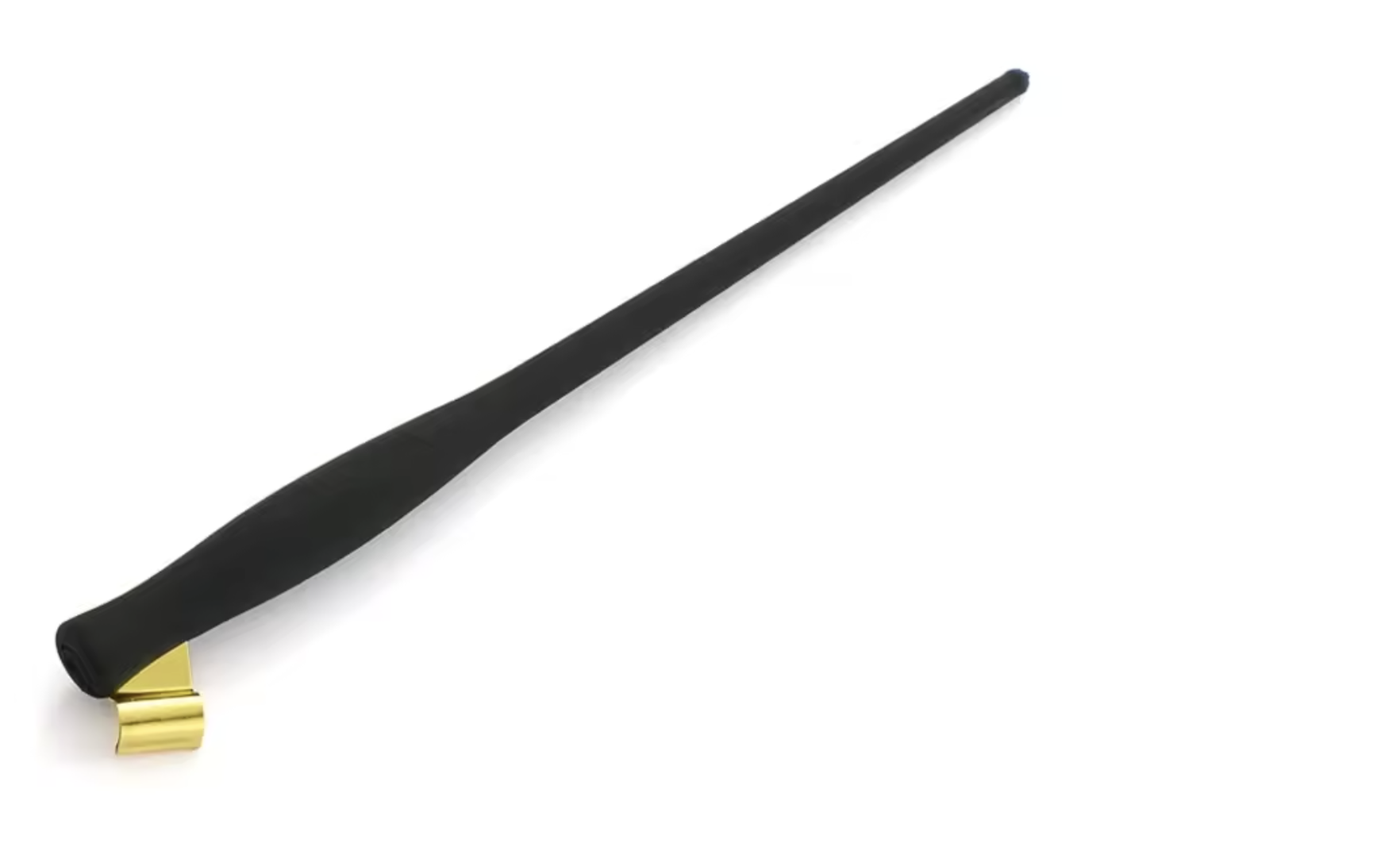
A straight holder positions the nib directly in line with the pen, so the angle of the pen is the same as the angle of the nib. An oblique holder features a side flange that angles the nib (the funny looking pen holder), making it easier for right-handed writers to achieve the slant required for scripts such as Copperplate or cursive modern scripts.
Benefits of an oblique pen holder include:
- Creates proper writing angle
- Improves consistency
- Helps with the ergonomiccs of your hand
Personally, I highly recommend using oblique pen holders (or 2-in-1 holders with an oblique option) for pointed pen calligraphy. The nib is inserted into this flange, positioning it at an angle that naturally aligns with the script's slant. This allows the nib to create smooth shades and hairlines while reducing strain on the hand and wrist. Many calligraphers find that an oblique pen holder makes it easier to maintain a consistent slant, control pressure, and produce cleaner letterforms, particularly when learning pointed pen calligraphy scripts.
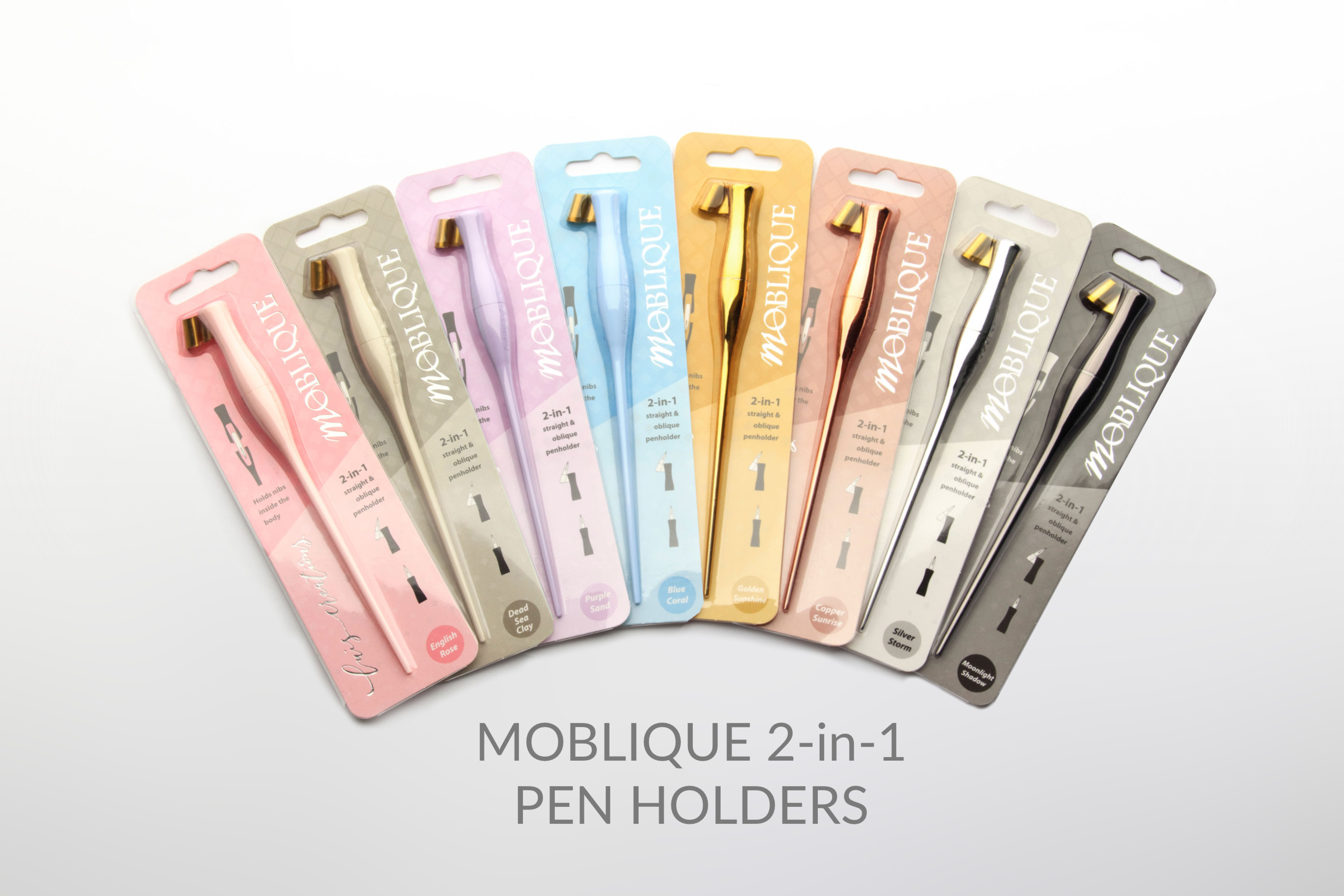
I especially love the Luis Creations Moblique holders - which are 2-in-1 oblique pen holders that come in many beautiful colors, and they also allow you to store your nib inside the pen. I personally own a few of his Mobliques as well as his custom-made pen holders. You can use CHARLOTTESCRIPT for 15% off.
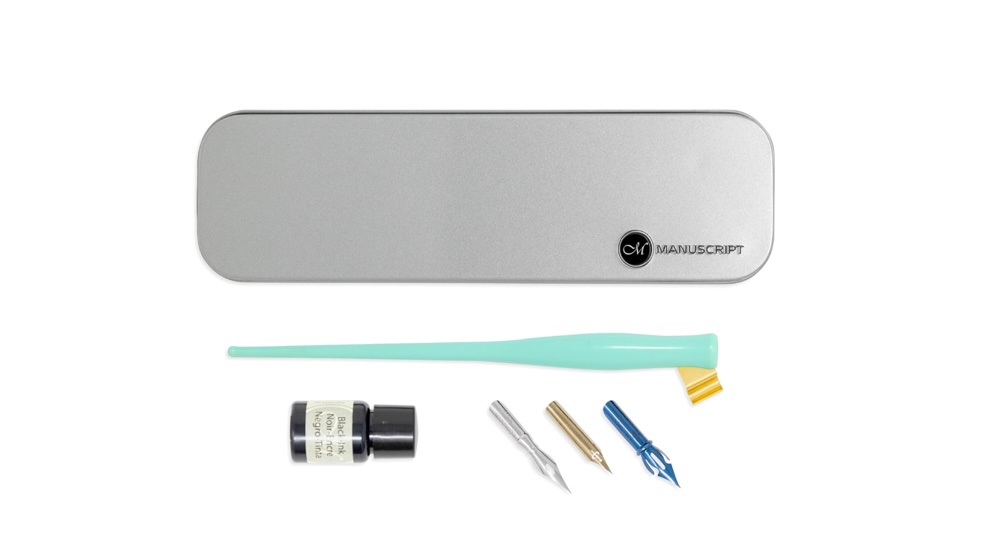
These days you can actually find different boutique pen-makers who create beautiful handmade oblique pen holders all around the world.
Ink
For me, there are 3 non-negotiables when choosing calligraphy ink:
- Flow - It should run through the nib consistently
- Bleed resistance - the last thing you want is for your beautiful hairlines to bleed into a chonky stroke.
- Opacity - Opaque inks for the win!
Even the most beautiful colour isn’t worth using if it catches, feathers, or disrupts smooth hairlines. Below are my most trusted inks for both practice and finished work.
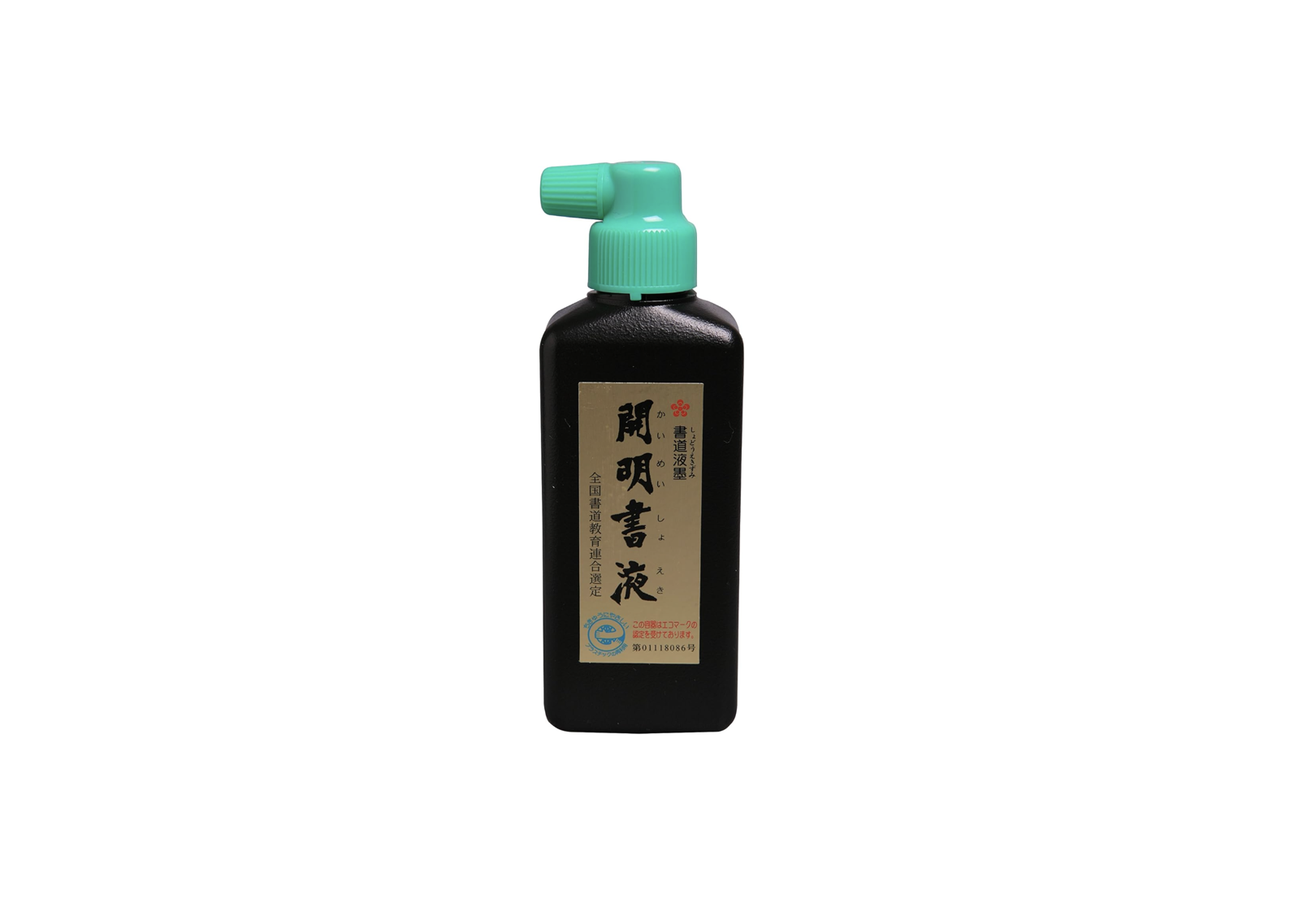
Sumi Ink
Hands down my favourite black ink. Rich black, bleedproof with beautiful flow.
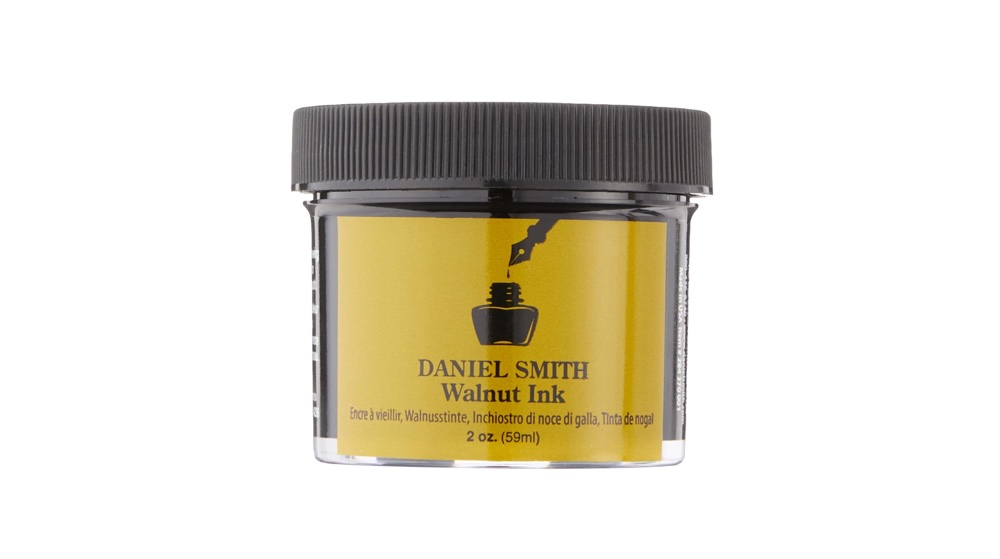
Daniel Smith Walnut Ink
A beautiful brown water-based ink. It can fade so more suitable for practice.
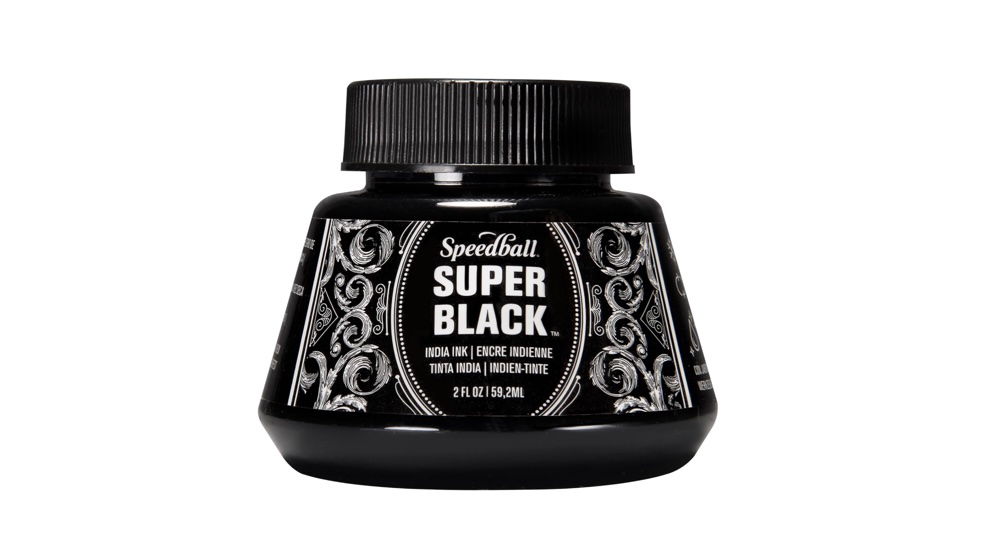
India Ink
This is actually the first calligraphy ink I used. A great alternative deep black ink
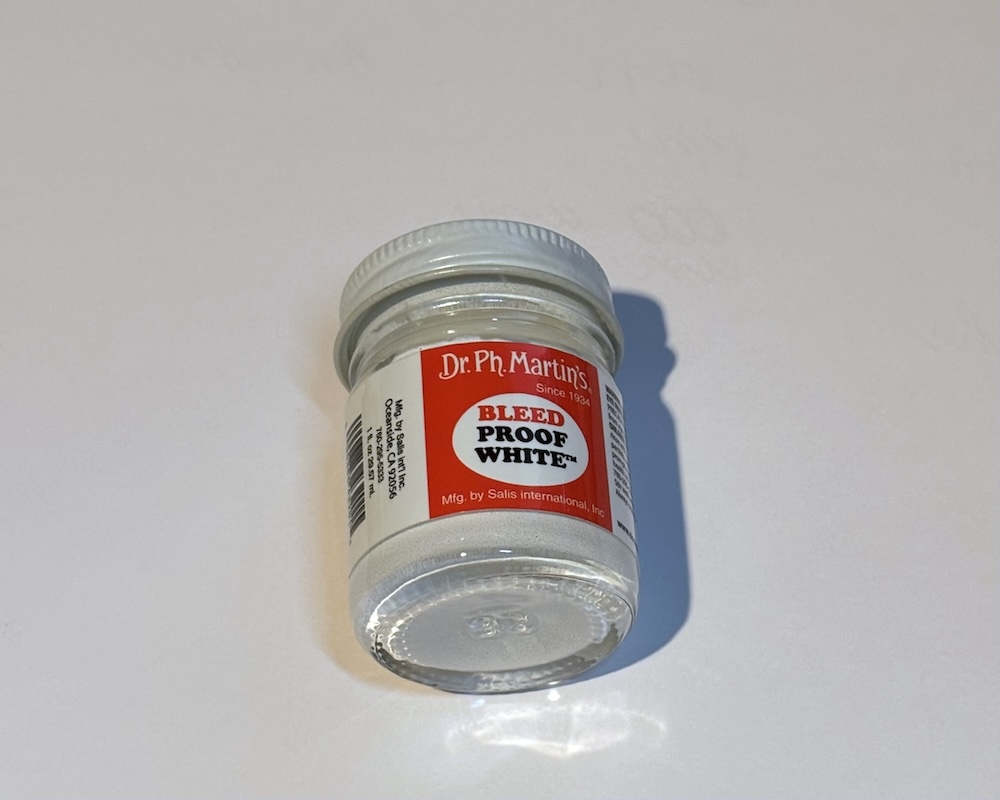
Bleed Proof White
The king of white inks. Bleedproof, opaque and it's never failed me.
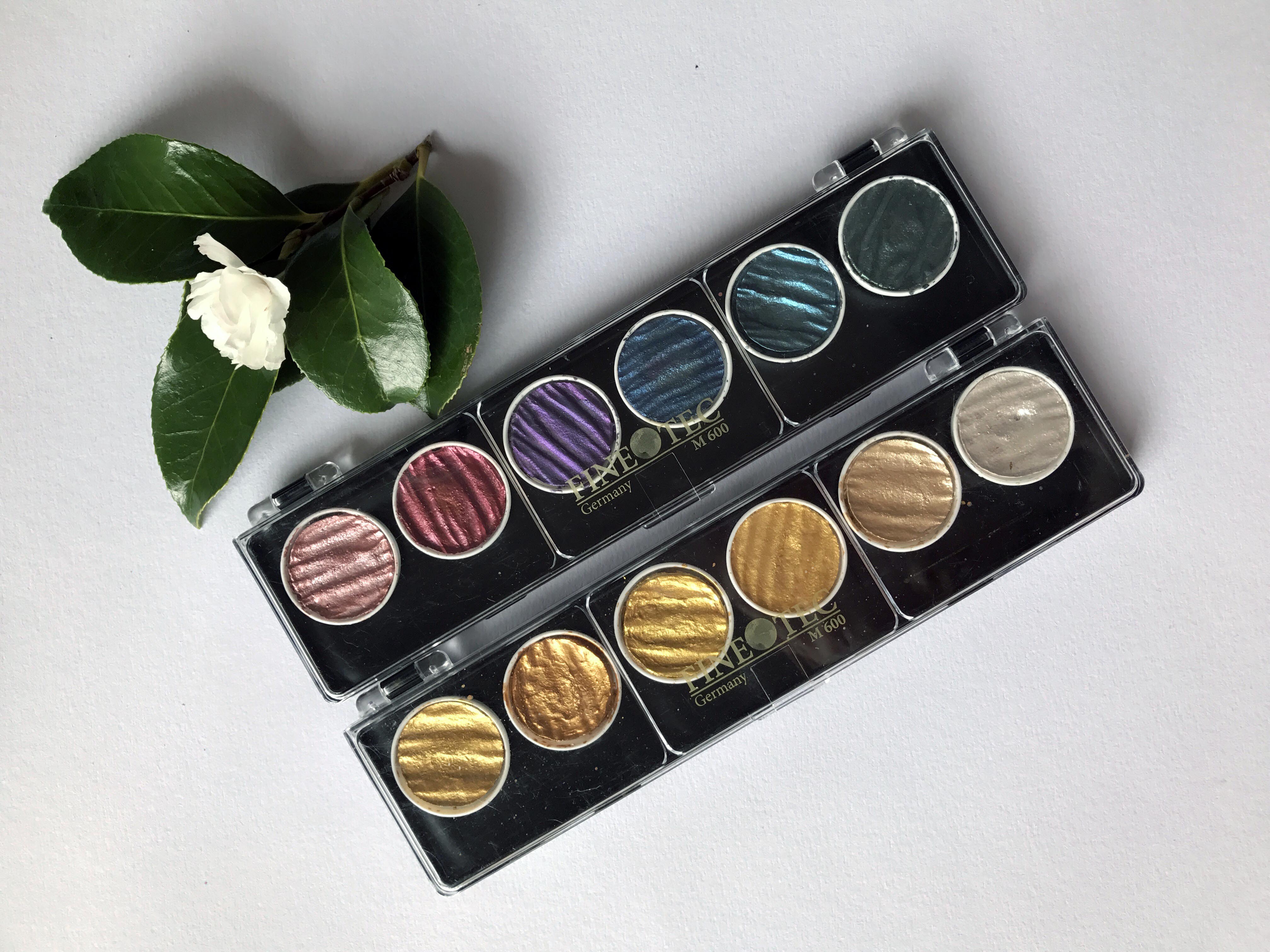
Finetec Pearl Colors
My favourite gold inks. This is technically a watercolor, but it's opaque, shiny and writes so well.
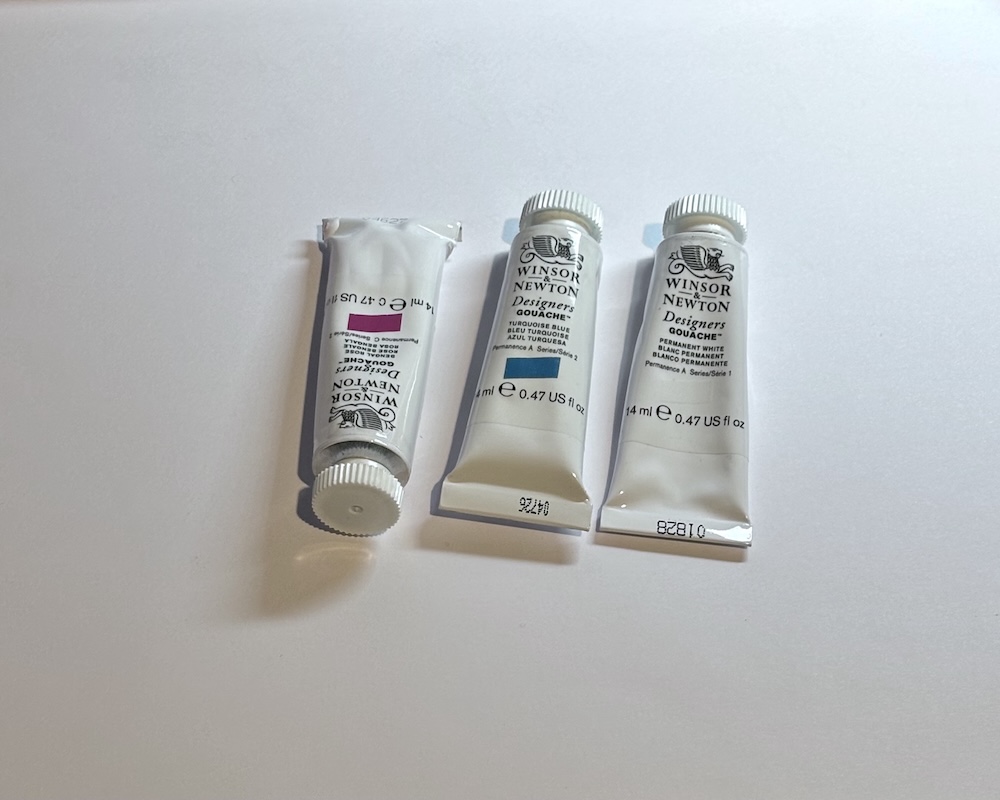
Winsor & Newton Gouache
For various colored inks, I like to use W&N Designer Gouache, which is opaque and creates beautiful hairlines
Dropper Bottles
For large bottles of ink, I like to store them in little dropper bottles
Paper
Paper quality makes a huge difference in pointed pen calligraphy. However, this does not mean you need to drop a fortune just for practicing. There are several printing paper that is suitable for practicing calligraphy and allows you to even print your own guidelines and worksheets.
The wrong paper causes catching, feathering and inconsistent hairlines, while the right paper allows the nib to glide smoothly with minimal bleeding.
As I'm based in Australia, I always use the standard J.Burrows Premium 80gsm Copy Paper which you can find at Officeworks. I've linked a few other paper choices for printing worksheets below.
When it comes to more formal work, if you're wanting something that feels a bit more 'fancy', you can go for watercolor paper or mixed media paper. Both of these are good at holding ink without bleeding, and often have a beautiful luxe texture. However they will be much more costly, so I like to save them for small projects, whether for yourself or others. With watercolor paper, I've tested both cold-pressed and hot-pressed and honestly there's not really any difference for calligraphy, so it's just your personal choice for texture.
These are the papers I consistently recommend for everyday practice and for printing your worksheets.
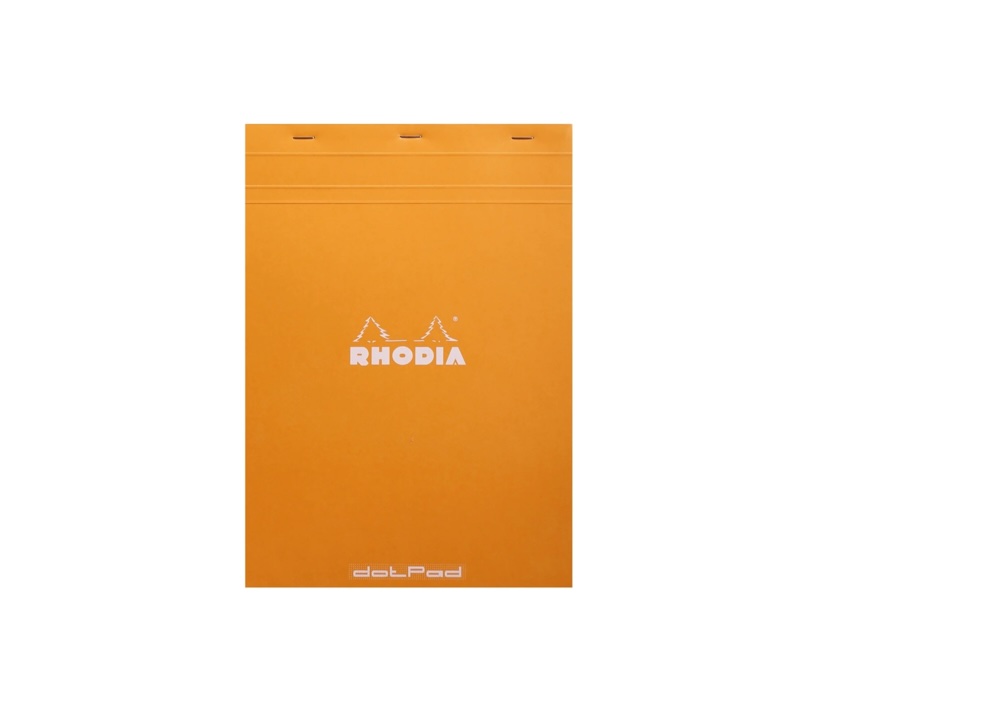
Rhodia Pad
Smooth and bleedproof practice paper. Comes in lined, grid, dotted.
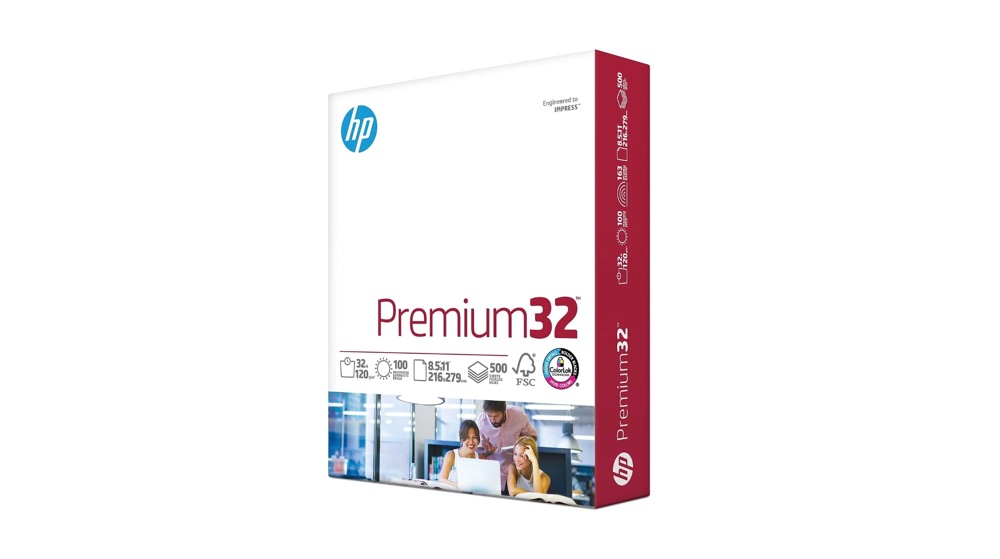
HP Premium 32
A tested choice for printing worksheets
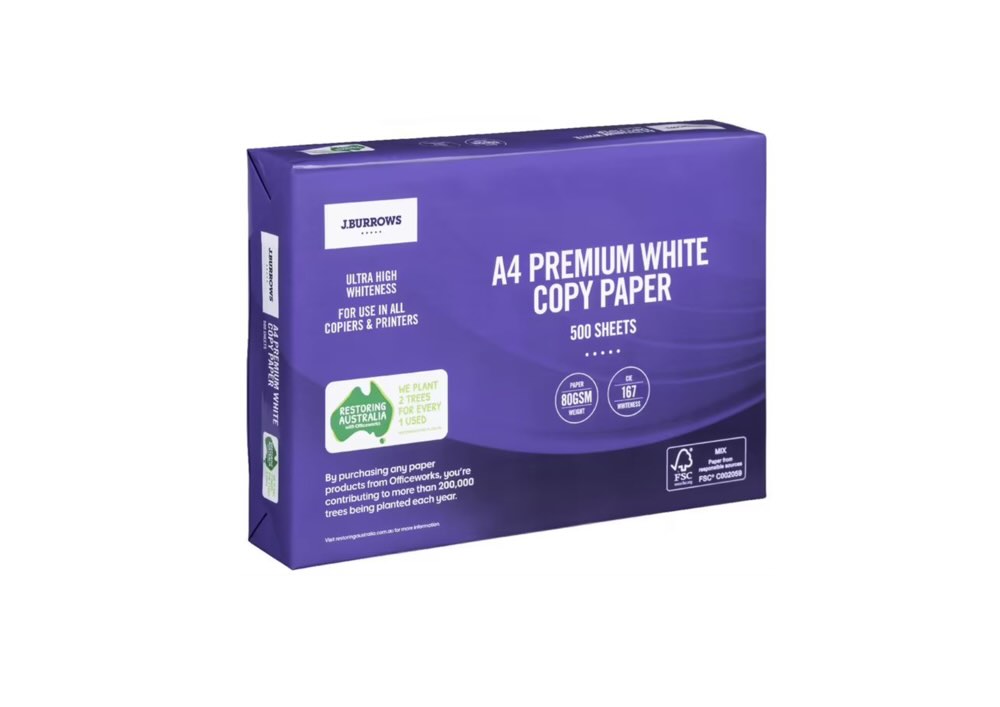
J.Burrows Premium 80gsm
A tested choice for printing worksheets
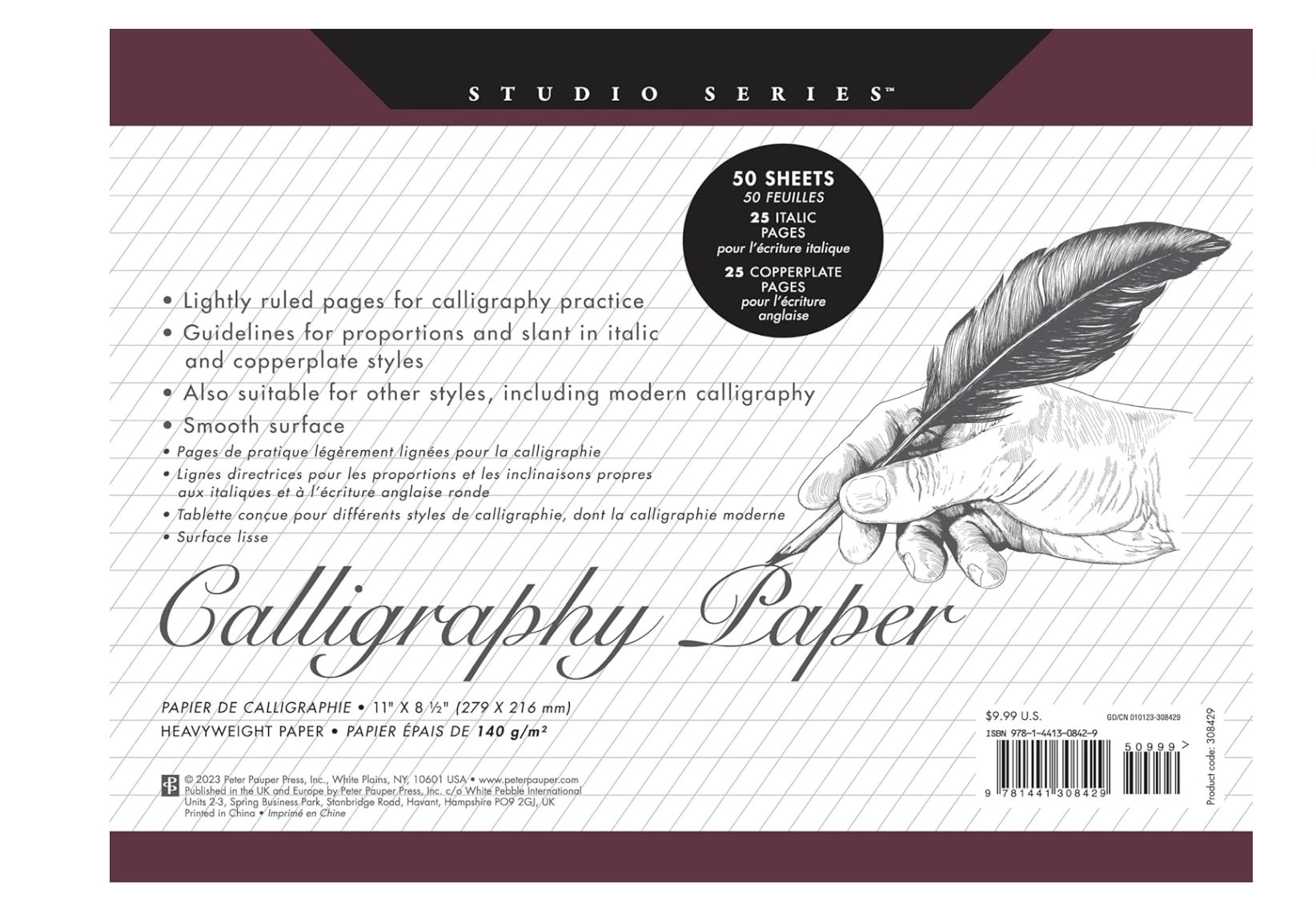
Calligraphy Paper Pad
Calligraphy paper pad with guidelines
Mixed Media Paper
Strathmore mixed media paper. Any art brand works.
Watercolor Paper
Strathmore 300gsm watercolor paper. Any art brand works.
More to come...